Haber ·
Packaging Trends 2026: 8 Key Trends from the WorldStar and SPC Reports
What is changing in packaging in 2026? Paperization, mono-materials, lightweighting, smart packaging and EPR compliance: 8 trends from the WPO WorldStar and SPC 2026 reports and what they mean for converters.
- Reading time
- 7 min
- Updated
- 5 October 2026

The common thread of packaging trends in 2026 is this: sustainability is no longer a differentiator but an imperative requirement. In the latest cycle of the World Packaging Organisation's (WPO) WorldStar awards, 481 entries from 36 countries were judged and 234 packages won awards. The WPO's 2026 Packaging Trends Report, drawn from these entries, and the April 2026 report of the US-based Sustainable Packaging Coalition (SPC) point in the same direction. In this article we combine both reports to summarise 8 key trends and what they mean for printers and packaging makers in Türkiye.
In short:
- There is no single winning material: a fit-for-purpose choice prevails — paper where viable, flexible plastics for barrier efficiency, recycled PET and bio-based materials, low-carbon metals.
- The categories with the most WorldStar awards: food (48), transit packaging (31), packaging materials and components (22).
- Regulations such as EPR and the EU packaging regulation (PPWR) are shaping design; recyclability is now being defined by regions.
- Türkiye was among the top-performing countries at the WorldStar Student Awards 2026, with 4 trophies including 1 Gold.
The WorldStar awards in numbers
| Indicator | Value |
|---|---|
| Entries | 481 |
| Awarded packages | 234 |
| Participating countries | 36 |
| Most awarded countries | Japan 24 · Austria 21 · Germany and China 18 · Brazil 17 · Czech Republic and Slovakia 12 |
| WorldStar Student 2026 | 246 entries from 90 educational institutions · 23 countries · 43 judges from 31 countries · 30 trophies |
Source: WPO Packaging Trends Report 2026 ("WorldStar Award 2025 Facts & Figures" and "WorldStar Student Awards 2026" pages).
| Category | Awards | Leading trend |
|---|---|---|
| Food | 48 | Paper-based and compostable solutions, shelf-life extension technologies, e-commerce-ready formats |
| Transit | 31 | Returnable pallet, crate and container systems, RFID and IoT tracking, automation-ready design |
| Packaging materials and components | 22 | Mono-material structures, bio-based materials, advanced barrier coatings |
| Alcoholic beverages | 20 | Premiumisation, paper-based alternatives, anti-counterfeiting technologies |
| Health and personal care | 17 | Refillable and mono-material solutions, "quiet luxury" design |
| Household | 12 | Concentrates and refill systems, child-resistant closures |
| E-commerce | 10 | Right-sizing, damage-resistant protective packaging |
| Electronics | 9 | Molded fibre, enhanced unboxing experience |
| Medical and pharmaceutical | 9 | Serialisation and traceability, tamper evidence |
| Labelling and decoration | 3 | AI-driven design, digital printing, embossing and textured effects |
Selected categories; a total of 234 awards were given across 19 categories. Source: WPO Packaging Trends Report 2026.
1. Sustainability is no longer a differentiator but a requirement
The conclusion of the WPO report is clear: sustainability is no longer a differentiator but an imperative requirement. Competitive advantage lies in integration, performance and scalability, and packaging must be treated as a business system, not just a container. The report's four key insights support this: innovation is system-driven rather than feature-driven, sustainability is engineered rather than just claimed, packaging delivers multiple performance goals at once, and winners are defined by the integration of logistics, user experience and material science.
The student competition offers a glimpse of the future: in the 2026 entries, closed-loop thinking became the students' default. According to the WPO, the next generation of designers will not accept a brief that does not start with end-of-life.
2. Paperization — but no single winning material
In the SPC's words, the "paperization of everything" continues. Two factors keep up the pressure: in global consumer surveys, plastic still ranks lowest in sustainability perception, and extended producer responsibility (EPR) laws impose high fees on complex plastic packaging. As a result, brands have accelerated switches to paper, aluminium and glass. Paperization has even reached healthcare: a paper prescription pill bottle and a fibre-based screw cap are among the examples highlighted in the SPC report.
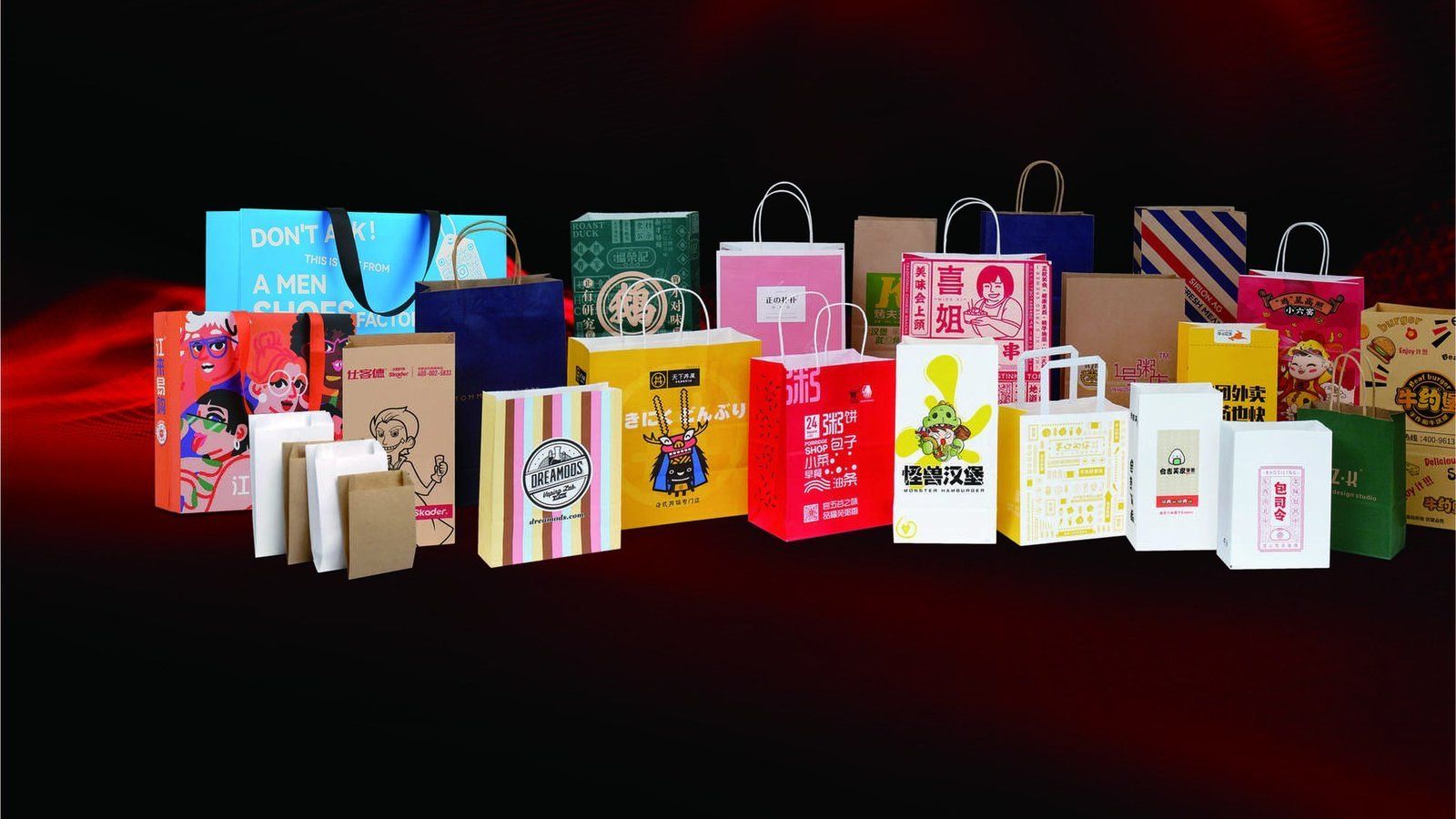
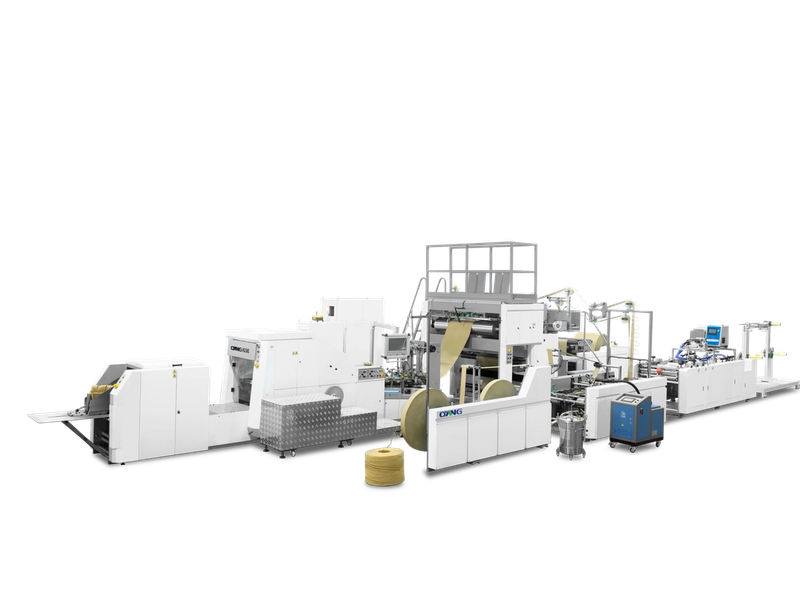
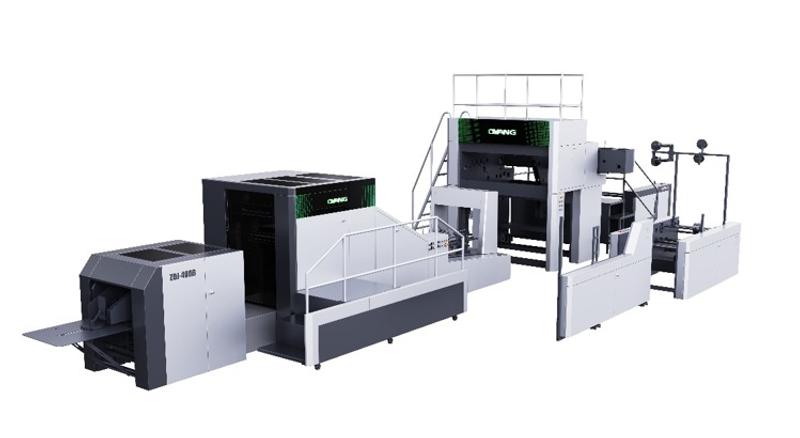
The WPO, however, adds an important balance: there is no single winning material. The recommended approach is fit for purpose — paper where viable, flexible plastics for barrier efficiency, recycled PET and bio-based materials, low-carbon metals. The SPC also shows that paper is not automatically recyclable: after audits in California, coated paper and molded fibre formats were downgraded. We explain how to design recyclable paper packaging in our article on recyclable paper packaging design; for paper bag production, see the paper bag machine guide.
3. Mono-materials and design for recycling
The first common pattern the WPO sees in the award-winning packages is circularity. Four trends stand out under this heading:
- Mono-material structures are gaining traction.
- Recyclable and recycle-ready formats are increasing.
- Refill and reuse systems are expanding.
- The use of recycled and bio-based content is growing.
In the packaging materials category, mono-material structures, bio-based materials such as algae and mycelium, and advanced barrier coatings stood out. The report's list of "key innovations" is headed by mono-material flexible packaging, advanced fibre-based solutions and high recycled content.
4. Lightweighting, right-sizing and logistics intelligence
The second common pattern is lightweighting: material optimisation without compromising strength, optimised structural design, a lower carbon footprint through downgauging, and efficiency in transport and storage. The fourth pattern is logistics intelligence: packaging designed for supply chain efficiency, reusable transport packaging, pallet optimisation and less damage. It is no surprise, then, that transit packaging ranks second with 31 awards.
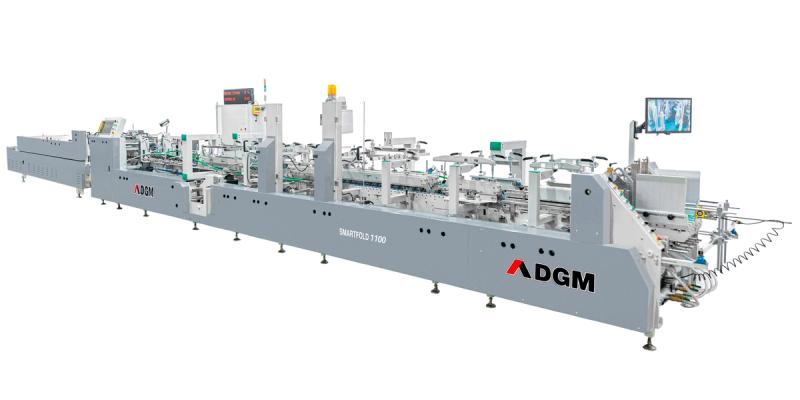
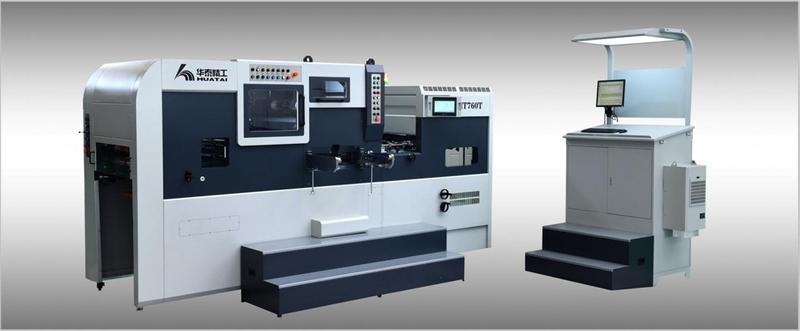
In e-commerce, right-sized and cost-efficient packaging stands out. This trend also aligns with the EU's empty-space limits starting in 2030 (PPWR timeline). Producing boxes sized to the product requires fast job changeovers in die-cutting and folding-gluing: see our die-cutting machine and folder-gluer guides.
5. Smart and digital packaging
QR codes, NFC and traceability systems appear in almost every category. The WPO stresses that the digital packaging category is growing and that packaging is becoming a data carrier. The leading topics in the digital packaging category:
- WebAR and augmented reality experiences
- End-to-end traceability and supply chain visibility
- AI-driven packaging design and digital printing technologies
- Digital watermarks and invisible codes for sorting, authentication and recycling
In medical and pharmaceutical packaging, serialisation, tamper evidence and anti-counterfeiting features take centre stage.
6. User experience and functionality
The third common pattern is user experience: improved ergonomics, easier opening and reclosing systems, precision dosing and accessibility, and packaging as part of the product experience. Student projects are especially creative here: integrated dosing, built-in utensils, freshness indicators, one-handed dispensing and portion control.
The WorldStar Student 2026 Gold award went to "Ease" by Ella Salminen of Finland, which addresses single-use plastic utensils by integrating a cardboard utensil into the packaging label. Silver went to Brazil for a dosing system integrated into flexible packaging for fabric softener, and Bronze to China for a telescopic accordion-structure bottle designed for urban consumption.
7. Premium, tactile and "quiet luxury" decoration
In the luxury and gift categories, textured finishes, embossing, high-end substrates, personalisation and limited editions stand out. In labelling and decoration, embossing and printing effects with a "human touch" and clean label aesthetics are prominent, while health and personal care favours minimalist "quiet luxury" design. In alcoholic beverages, premiumisation is also one of the leading themes.

A premium look can be balanced with recyclability: embossing adds no material, and for foil stamping the guidance is to keep the metallised area below 60% of the packaging surface. Related guides: rigid box machine, the screen printing machine for spot UV and cold foil, and the die-cutting and foil stamping machine for foil and embossing.
8. Compliance and data: EPR, PPWR and measured recyclability
The core message of the SPC's 2026 report: compliance is a foundation, not a finish line. The report's four trends can be summarised as follows:
- Regions define recyclability: in Canada, producer responsibility organisations published common guidelines in 2025; the EU is due to set design-for-recycling criteria and performance grades by January 2028; in the UK, the RAM methodology influences EPR fees from 2026.
- Healthcare and OTC packaging: device and pharmaceutical packaging make up 22% of single-use plastic consumption in the healthcare system; circular economy levers could cut plastic use by up to 53%, greenhouse gas emissions by up to 55% and system costs by up to 24% by 2040.
- EPR matures: seven US states have passed packaging EPR laws, and one in five Americans lives in an EPR state. In California, flexible films and small-format packaging face a future about six years away in which they cannot be labelled recyclable, or even sold, if they do not reach a 65% recycling rate.
- Shared data brings clarity: thanks to data sharing, PP and HDPE beverage cups became eligible for the "Widely Recyclable" label in the How2Recycle programme.
Material health is also on the agenda: according to the SPC, 34 US state-level bills restricting chemicals in packaging and 21 new PFAS-focused bills were introduced in 2025. In the EU, the restriction on PFAS in food-contact packaging started on 12 August 2026; details in our PPWR article.
What does it mean for printers and packaging makers in Türkiye?
- Paper and board capacity: paperization keeps paper bag and folding carton orders strong; but recyclable design is now a precondition.
- Short runs and speed: the WPO highlights faster production cycles, shorter lead times, automation and AI-driven operations. Die-cutting and folder-gluer lines capable of fast changeovers have an advantage in this environment.
- Right-sizing: e-commerce and the EU's 2030 empty-space limits make boxes sized to the product a necessity.
- Balance in decoration: embossing, texture and limited-area foil maintain a premium perception while helping to preserve recyclability.
- Data: customers want material, weight and recyclability data; capturing it in production is a competitive advantage.
Özdemir Makine is the official distributor of all brands listed on our Brands page. From paper bags to folding cartons and from rigid boxes to lamination and foil stamping, we help you select lines that fit these trends from our offices in Istanbul and Krefeld (Germany). Browse our bag making, die-cutting and folding and gluing machines, or contact us for a quotation.
Sources: WPO, Packaging Trends Report — WorldStar Award 2026 and WorldStar Student 2026 (author: Liliam Benzi) · SPC, 2026 Sustainable Packaging Trends Report (April 2026). WPO · SPC
Frequently asked questions
According to the WPO and SPC reports, the leading trends of 2026 are: sustainability as a requirement, paperization, mono-materials and design for recycling, lightweighting and right-sizing, smart and digital packaging, user experience, premium and tactile decoration, and compliance with regulations such as EPR and the PPWR.
According to the SPC, negative consumer perception and high EPR fees on complex plastics are accelerating the switch to paper. However, the WPO stresses that there is no single winning material: paper where viable, flexible plastics for barrier, recycled PET and low-carbon metals are recommended.
WorldStar is the World Packaging Organisation's (WPO) international packaging award; the programme also includes a Sustainability Award and a Packaging that Saves Food Award. In the latest cycle, 481 entries came from 36 countries and 234 packages were awarded; Japan (24) and Austria (21) won the most.
Türkiye was among the top-performing countries with 4 trophies, including 1 Gold; China, Australia, Ghana and Hungary also won 4 trophies each. In 2026, 90 educational institutions from 23 countries took part with 246 projects.
Mono-material packaging is made from a single type of material (for example only PE or only paper) and can enter recycling without separating layers. In the WPO's 2026 report, mono-material structures stand out as the clearest circularity trend.
Smart packaging carries information or interacts with the consumer through technologies such as QR codes, NFC, RFID, sensors or digital watermarks. According to the WPO, packaging is increasingly becoming a data carrier; traceability, authentication and sorting for recycling are the main uses.
Extended producer responsibility (EPR) is a system that places the cost of collecting and recycling packaging on the producer that puts it on the market. The SPC advises planning for fees to rise significantly for difficult-to-recycle materials; 73% of the countries in the WPO 2025 survey have an EPR or product stewardship programme.
Özdemir Makine is the official distributor of all brands on its Brands page, including Oyang paper bag machines, DGM folder-gluers and die-cutters, Huatai die-cutters, Horda rigid box machines and GMB laminators. Its offices in Istanbul and Krefeld (Germany) support selection, quotations, customs clearance, installation and spare parts.